NeuroRecall Third-Party Testing: What's Missing
The verdict in one line
No printed amounts and no third-party testing means quality is asserted, not shown — the badges describe the factory, not the formula. Our score: 2.4 / 5.
Before anything else — NeuroRecall contains Ginkgo, which thins the blood and is a pre-surgery caution, and one of its two sellers never mentions that. Read the label on arrival; ask a pharmacist first.
What NeuroRecall is
NeuroRecall is a once-a-day nootropic capsule — 30 per bottle — sold for memory, focus, mental clarity and brain energy. Both selling pages name the same six ingredients — Ginkgo, Bacopa, L-Theanine, B12, phosphatidylserine and Rhodiola — and print the amount of none. It is sold on the NeuroRecall official website from $49 to $79 a bottle. It is not a medicine, not a treatment for any condition, and not a formula you can evaluate by strength, because no amount is published.
The certificate nobody shows
Neither seller publishes third-party testing or a certificate of analysis — the documents that would confirm identity, potency and purity independently of the brand's own claims. For a botanical blend, that is a meaningful gap.
GMP and “FDA-registered” describe the factory's procedures, not the contents of the capsule. Without a certificate of analysis and printed amounts, quality rests on trust, which is the one thing an audit cannot extend.
Where the NeuroRecall discount applies
The NeuroRecall discount is structured by kit size rather than a coupon code. Ninety capsules covers an eight-to-twelve-week memory trial and still ships free.
View the NeuroRecall Discount Official website checkout · 60-day guarantee · confirm before payingThe label, in brief
| Named ingredient | Amount printed | Studied at |
|---|---|---|
| Ginkgo Biloba | not published (named by both sellers) | 120–240 mg/day standardised extract in trials |
| Bacopa Monnieri | not published (named by both sellers) | 300 mg/day standardised to ~55% bacosides, 8–12 weeks |
| L-Theanine | not published (named by both sellers) | 100–200 mg/day for calm, focused attention |
| Vitamin B12 | not published (named by both sellers) | 2.4 mcg/day RDA; corrects fatigue only in deficiency |
| All six named by both sellers; not one amount published anywhere. The Supplement Facts panel on the bottle is the only authority. | ||
The pattern is consistent. The format, the one-a-day dose and the prices can all be verified; the strength of the formula cannot, because no amount is printed — and the interactions that matter most, Ginkgo above all, depend on amounts nobody publishes. Full breakdown: the NeuroRecall benefit verdicts.
Pros and cons
What works
- Easy one-a-day capsule — caffeine-free, no stack
- Six recognisable ingredients, named by both sellers
- Free US shipping on 3 and 6-bottle kits
- 60-day guarantee, stated identically by both
- One seller discloses that amounts are undisclosed
What does not
- No amount published for any of the six
- Six studied doses do not fit one capsule
- One seller hides the Ginkgo blood-thinner caution
- Fictional $99 "regular" price and anchors
- Neither page names a manufacturer
Who it suits — and who should skip it
Worth considering for people who abandon complicated stacks — one capsule a day is the one clear advantage. Not worth it for anyone on antidepressant, thyroid or blood-pressure medication who has not asked first, or anyone who needs to know the amount of each ingredient before they pay.
One seller states plainly that individual milligram amounts are not disclosed and tells you to check the bottle. The other omits the amounts and calls the formula “no hidden proprietary blend”.
The six named ingredients carry real interactions — Ginkgo with blood thinners and surgery, Rhodiola and Bacopa with antidepressants, Bacopa with thyroid medication — and none can be sized, because no amount is printed.
One habit makes any assessment of this product reliable: write down three countable things before the first capsule — recall out of ten, afternoon focus out of ten, and how often you reach for a word and lose it — then repeat the same three at weeks four and eight, while changing nothing else.
Verdict
No printed amounts and no third-party testing means quality is asserted, not shown — the badges describe the factory, not the formula. Practically: photograph the Supplement Facts panel on arrival, take it to a pharmacist if you take any prescription, never combine it with blood thinners or take it before surgery unadvised, buy the 3-bottle kit for an eight-to-twelve-week trial, and diarise your refund decision for day 50. Background reading: NIH ODS — Vitamin B12, and what NeuroRecall is.
Questions readers ask
Is NeuroRecall worth buying in 2026?
It is worth considering as an easy, calm daily capsule for an adult not on medication, after a pharmacist has read the label. It is hard to recommend to anyone who needs to know the amount of each ingredient before paying, because no amount is published and the six cannot all fit one capsule at full strength.
How long should I take NeuroRecall before judging it?
Eight to twelve weeks, judged against a week of written recall and focus ratings taken before the first capsule, with everything else unchanged — Bacopa in particular needs that long.
How long is the NeuroRecall guarantee?
Both selling pages state 60 days from the shipping date. Any 180-day figure on recycled badge artwork does not apply. Screenshot the written terms on the order form before you pay and diarise day 50.
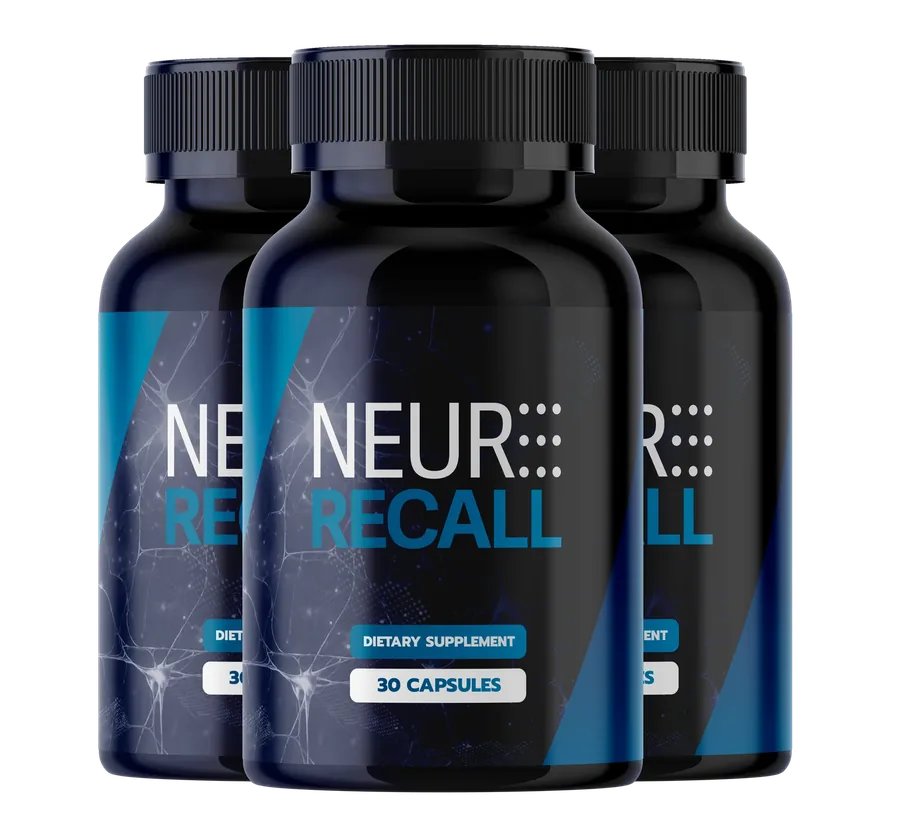
NeuroRecall Official Website
per bottle on the 6-bottle bundle · free US shipping on 3 and 6
Check Current Price 60-day guarantee · official checkout only