Rhodiola Rosea: Adaptogen Evidence and Cautions
The short answer
Rhodiola rosea is an adaptogenic herb with fair evidence for reducing mental fatigue at 200–400 mg of a standardised extract, alongside interaction cautions the marketing often skips.
A plain guide, written to be useful before you spend anything.
What this actually means
Rhodiola rosea is an adaptogenic herb with fair evidence for reducing mental fatigue at 200–400 mg of a standardised extract, alongside interaction cautions the marketing often skips. That definition matters because the term gets used loosely in supplement marketing, where a real mechanism is routinely stretched into a promise the evidence does not carry.
It appears in “brain energy” formulas as a gentle pick-me-up, but it is activating for some and interacts with common medications, so dose and cautions count.
Why it matters if you are buying a supplement
Almost every purchase decision in this category comes down to one question: is the product addressing the actual cause of the problem you have? Appetite, sleep debt, an energy surplus, insulin resistance and simple measurement error all produce similar-looking frustration, and they need different responses. Getting the cause right is worth more than getting the product right.
It appears in “brain energy” formulas as a gentle pick-me-up, but it is activating for some and interacts with common medications, so dose and cautions count. That is why the sequence on this site is always the same — understand the mechanism, check the dose against the research, then decide whether a product is buying you anything.
Four things worth knowing
- Studied at 200–400 mg of standardised extract for fatigue.
- Standardised to rosavins and salidroside in trials.
- Can be stimulating despite “non-stimulant” labelling.
- Interacts with antidepressants and blood-pressure medication.
Buy NeuroRecall from the official website
Ordering direct is what attaches current pricing and the 60-day guarantee to your order. Read the terms on the exact page you use.
Go to the NeuroRecall Official Website Official website checkout · 60-day guarantee · confirm before payingWhat to do about it
- Take it in the morning to avoid sleep disruption.
- Check for a stated, standardised dose.
- Ask a doctor first if on antidepressants or BP medication.
- Watch for over-stimulation despite the label.
None of those cost anything, which is the point. For memory and focus the interventions with the strongest evidence — sleep, aerobic exercise, blood-pressure and blood-sugar control, treating hearing loss and low mood, and a blood test for B12 and thyroid when recall genuinely slips — are consistently cheaper and far less marketed than the ones with the weakest.
Most of what a supplement can do is small, and small effects are exactly the ones personal impression cannot detect — especially for memory and focus, where sleep, stress and expectation move the picture week to week. A written baseline beats a feeling every time, which is why this desk keeps recommending one.
It is also worth separating what is measurable from what is marketable. The interventions with the strongest evidence here rarely have a product attached, which tells you something about why you hear about them least.
If you take prescription medication, run any new supplement past a pharmacist first. It takes minutes, it is usually free, and a fully printed label makes the answer immediate.
The myth to drop
The myth is that adaptogens are universally gentle and interaction-free. Rhodiola has real cautions and a dose that matters, whatever the “non-stimulant” label suggests.
For background reading from sources with nothing to sell, see FTC — health claims and NCCIH — Green tea (L-theanine).
Where NeuroRecall fits
NeuroRecall sale pricing is a once-a-day nootropic capsule, 30 per bottle, that names six ingredients — Ginkgo, Bacopa, L-Theanine, B12, phosphatidylserine and Rhodiola — and publishes the amount of none. One seller admits the amounts are undisclosed; the other hides them and the Ginkgo blood-thinner caution too. At their studied doses the six do not fit one capsule.
Read against this topic, the honest placement is as a habit rather than a measured formula. Whatever mechanism this topic describes needs an ingredient at a dose, and NeuroRecall publishes no amounts. It belongs underneath sleep, exercise, blood-pressure control and a blood test, never in place of them. The detail is on the NeuroRecall benefit verdicts.
Check the current NeuroRecall price
Bundle pricing on the NeuroRecall official website runs from $79 a bottle on the two-pack down to $49 on the six-pack, with free US shipping on the larger kits.
See NeuroRecall Official Pricing Official website checkout · 60-day guarantee · confirm before payingQuestions readers ask
Does NeuroRecall help with this?
NeuroRecall names six ingredients and publishes the amount of none, so how much it provides cannot be verified. It is a daily capsule rather than a treatment, and never a substitute for a doctor when memory or focus genuinely worsens.
What should I do first?
Sleep properly, exercise aerobically, manage blood pressure, and get a blood test for B12 and thyroid if recall slips — all of which come before any supplement decision.
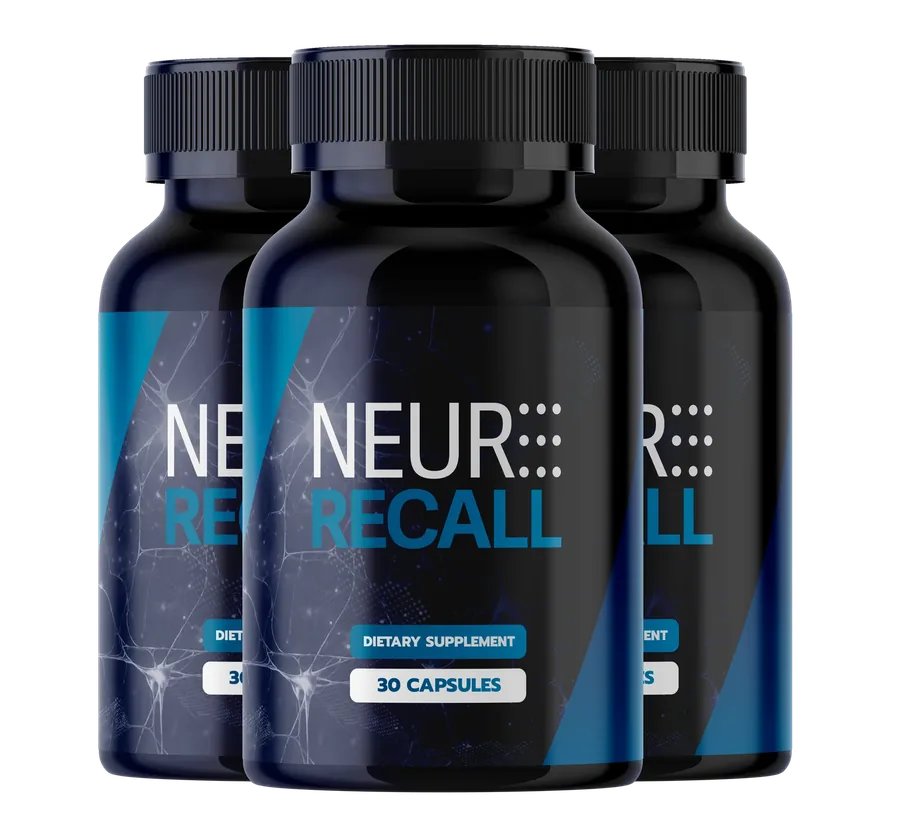
NeuroRecall Official Website
per bottle on the 6-bottle bundle · free US shipping on 3 and 6
Check Current Price 60-day guarantee · official checkout only