Single-Tasking and Deep Work
The short answer
Deep, single-tasked work — one thing at a time, without switching — is how demanding cognitive work actually gets done, and it is a skill of environment and habit more than of chemistry.
This is the short, checkable version of a topic usually buried in sales copy.
What this actually means
Deep, single-tasked work — one thing at a time, without switching — is how demanding cognitive work actually gets done, and it is a skill of environment and habit more than of chemistry. That definition matters because the term gets used loosely in supplement marketing, where a real mechanism is routinely stretched into a promise the evidence does not carry.
Focus supplements sell a shortcut to concentration that structured single-tasking delivers more reliably and for free.
Why it matters if you are buying a supplement
Almost every purchase decision in this category comes down to one question: is the product addressing the actual cause of the problem you have? Appetite, sleep debt, an energy surplus, insulin resistance and simple measurement error all produce similar-looking frustration, and they need different responses. Getting the cause right is worth more than getting the product right.
Focus supplements sell a shortcut to concentration that structured single-tasking delivers more reliably and for free. That is why the sequence on this site is always the same — understand the mechanism, check the dose against the research, then decide whether a product is buying you anything.
Four things worth knowing
- Task-switching carries a measurable cognitive cost each time.
- “Multitasking” is mostly rapid, lossy switching.
- Focus improves with removed interruptions, not added stimulants.
- Deep work is trainable with consistent blocks.
Check the current NeuroRecall price
Bundle pricing on the NeuroRecall official website runs from $79 a bottle on the two-pack down to $49 on the six-pack, with free US shipping on the larger kits.
See NeuroRecall Official Pricing Official website checkout · 60-day guarantee · confirm before payingWhat to do about it
- Work in uninterrupted blocks of focused time.
- Silence notifications and close extra tabs.
- Batch shallow tasks separately.
- Build the habit before buying a “focus” pill.
None of those cost anything, which is the point. For memory and focus the interventions with the strongest evidence — sleep, aerobic exercise, blood-pressure and blood-sugar control, treating hearing loss and low mood, and a blood test for B12 and thyroid when recall genuinely slips — are consistently cheaper and far less marketed than the ones with the weakest.
Most of what a supplement can do is small, and small effects are exactly the ones personal impression cannot detect — especially for memory and focus, where sleep, stress and expectation move the picture week to week. A written baseline beats a feeling every time, which is why this desk keeps recommending one.
It is also worth separating what is measurable from what is marketable. The interventions with the strongest evidence here rarely have a product attached, which tells you something about why you hear about them least.
If you take prescription medication, run any new supplement past a pharmacist first. It takes minutes, it is usually free, and a fully printed label makes the answer immediate.
The myth to drop
The myth is that concentration is mainly a chemical state a capsule can switch on. It is largely a matter of removing interruptions and practising single-tasking.
For background reading from sources with nothing to sell, see NCCIH — Ginkgo and NCCIH — using supplements wisely.
Where NeuroRecall fits
NeuroRecall is a once-a-day nootropic capsule, 30 per bottle, that names six ingredients — Ginkgo, Bacopa, L-Theanine, B12, phosphatidylserine and Rhodiola — and publishes the amount of none. One seller admits the amounts are undisclosed; the other hides them and the Ginkgo blood-thinner caution too. At their studied doses the six do not fit one capsule.
Read against this topic, the honest placement is as a habit rather than a measured formula. Whatever mechanism this topic describes needs an ingredient at a dose, and NeuroRecall publishes no amounts. It belongs underneath sleep, exercise, blood-pressure control and a blood test, never in place of them. The detail is on how NeuroRecall works.
Where the NeuroRecall discount applies
The NeuroRecall discount is structured by kit size rather than a coupon code. Ninety capsules covers an eight-to-twelve-week memory trial and still ships free.
View the NeuroRecall Discount Official website checkout · 60-day guarantee · confirm before payingQuestions readers ask
Does NeuroRecall help with this?
NeuroRecall names six ingredients and publishes the amount of none, so how much it provides cannot be verified. It is a daily capsule rather than a treatment, and never a substitute for a doctor when memory or focus genuinely worsens.
What should I do first?
Sleep properly, exercise aerobically, manage blood pressure, and get a blood test for B12 and thyroid if recall slips — all of which come before any supplement decision.
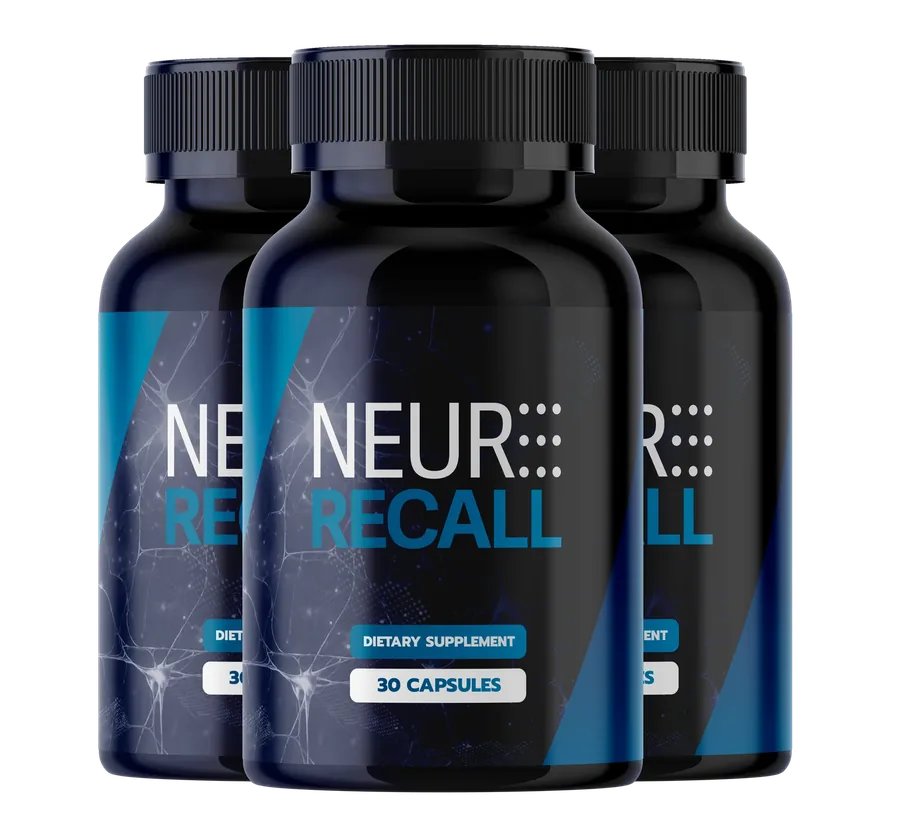
NeuroRecall Official Website
per bottle on the 6-bottle bundle · free US shipping on 3 and 6
Check Current Price 60-day guarantee · official checkout only